|
Is Your “Instant Fix” Worth the Long-Term Cost?
|
|
The sound of a notification confirming “Order Received”
has become part of our daily lives. It feels efficient.
Harmless. Almost invisible.
A few taps, a few minutes of waiting, and the problem seems
solved.
But what if that small moment of convenience is quietly
reshaping how
we think about money, planning, and patience?
|
Today’s instant-delivery platforms have perfected something far
more powerful than logistics.
They have mastered human behaviour.By reducing the gap between
desire and fulfilment, they’ve trained us to act immediately on
every impulse. Wanting has become effortless.
Waiting
has become uncomfortable.
And while the impact may not show up on a single bill or
statement, its long-term cost is far
greater than we realise.
|
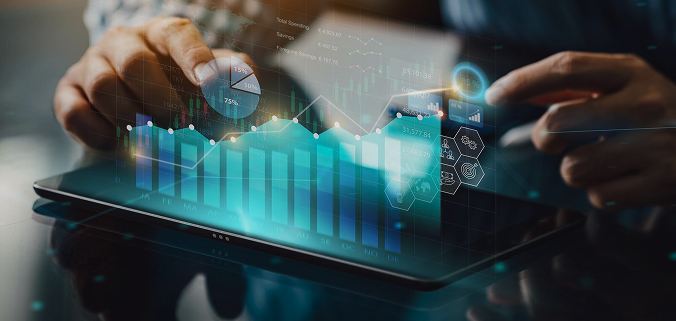 The Hidden Financial Erosion
|
|
When we place an instant order, we believe we are paying only
for the product.
In reality, we are paying for urgency.
Platform fees, delivery charges, dynamic pricing, and
convenience premiums are layered into
every transaction. Additionally, we miss out on bulk purchasing,
planned discounts, and price
comparisons. Many users also fall into “threshold traps”- adding
items they don’t need simply to
qualify for free delivery.
|
Individually, these costs feel negligible. Collectively, they
add up to a silent drain on personal
finances. Over months and years, this behaviour can inflate
everyday expenses by nearly
15–20 percent, without any improvement in quality of life.
This is not a one-time expense.
It is a habit - and habits compound.
|
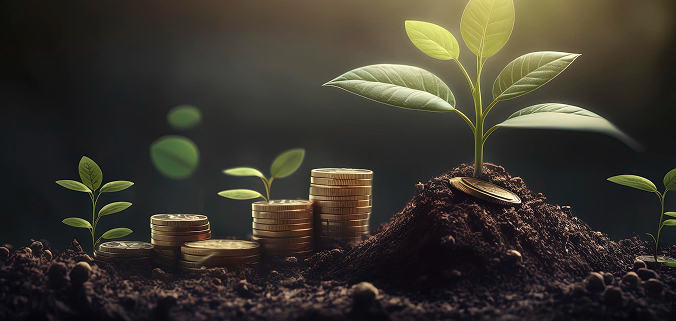 The Environmental Debt We Rarely Consider
|
|
Convenience has a physical footprint.
Each time a single item is delivered, a rider travels through
traffic, fuel is burned, and emissions
are released. Studies consistently show that fragmented,
on-demand deliveries increase carbon
emissions by 10–15 percent compared to consolidated, planned
shopping trips.
|
Multiply that by thousands of orders per day, and the impact
becomes visible in crowded
streets, rising noise levels, and deteriorating
air quality.
What feels like personal convenience is often
a shared cost borne by everyone.
Environmental debt, like financial debt, does not disappear when
ignored. It accumulates quietly
and demands repayment later.
|
 The Discipline Drain: The Cost That Matters Most
|
|
The most serious cost, however, is not financial or
environmental.
It is behavioural.
When we stop planning small things, we weaken our ability to
plan bigger ones. Grocery lists
may seem trivial, but they reflect a deeper mindset - foresight,
restraint, and intentional
decision-making.
Financial independence is built on these same principles.
|
If resisting a small impulse feels difficult today, how will we
stay committed to a long-term
investment plan? If waiting 24 hours for a non-essential
purchase feels inconvenient, how will
we patiently allow a retirement corpus to grow over 20 or 25
years?
Wealth is not just about income or returns.
It is about behaviour sustained over time. Patience is
not optional. It is foundational.
|
 A Conscious Approach to Convenience
|
|
This is not an argument against technology or modern solutions.
Convenience has its place. Emergencies happen. Time is valuable.
The question is not whether we should use these platforms, but
how often and why.
|
Planning weekly purchases, batching orders, and distinguishing
between needs and momentary
wants can restore balance. These small acts rebuild discipline,
reduce unnecessary spending,
and align daily behaviour with long-term financial goals.
Convenience should serve us - not control us.
|
 A Thought to Leave You With
|
|
Every decision, no matter how small, trains our future
behaviour.
When we choose patience over impulse, we strengthen the same
muscles that support financial
security, wealth creation, and long-term peace of mind.
Instant fixes feel good in the moment.
But lasting progress is built slowly, deliberately, and
consciously.
|
The next time you hear that familiar notification, pause and ask
yourself:
Is this convenience worth what it
is quietly taking away?
Team Finnovators
|
|